
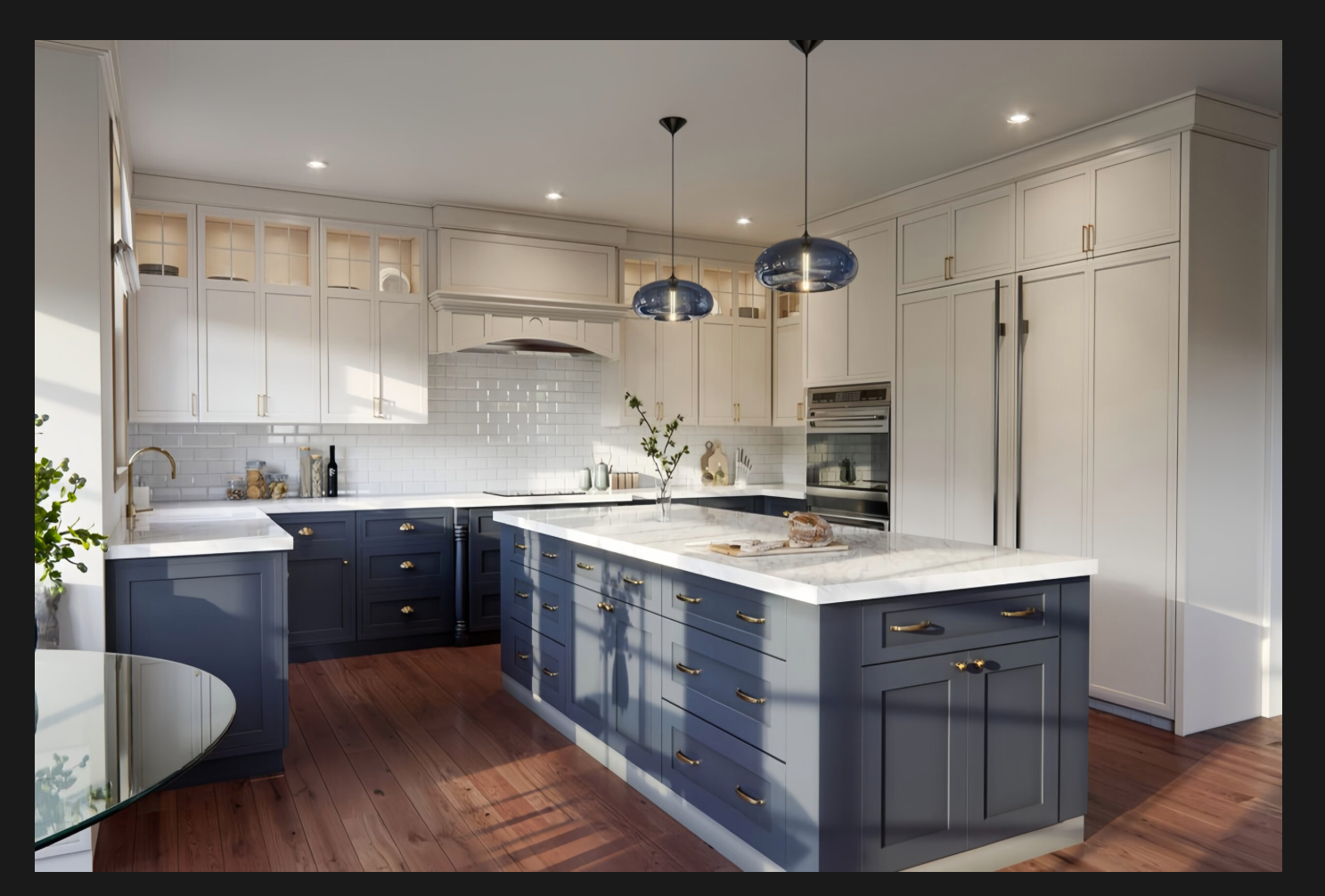
Kitchen renovation in the Netherlands has become an increasingly popular home improvement project, driven by evolving lifestyle needs, sustainability goals, and a growing appreciation for functional yet aesthetically pleasing interiors. Whether you live in a historic canal house in Amsterdam, a modern apartment in Rotterdam, or a suburban home in Utrecht, renovating your kitchen is one of the most impactful ways to enhance both your daily living experience and the value of your property.
In this comprehensive guide, we’ll explore everything you need to know about kitchen renovation in the Netherlands—from planning and budgeting to design trends, materials, regulations, and choosing the right professionals.
Why Kitchen Renovation Matters in the Netherlands
The kitchen has evolved from a purely functional space into the heart of the home. In Dutch households, it often serves as a place for cooking, dining, socializing, and even working. Open-plan living has further increased the importance of a well-designed kitchen that seamlessly integrates with the rest of the home.
Renovating your kitchen offers several benefits:
- Improved functionality: Better layout and modern appliances can make cooking and cleaning more efficient.
- Energy efficiency: Upgrading to energy-efficient appliances and lighting aligns with the Netherlands’ sustainability goals.
- Increased property value: A modern kitchen is a key selling point in the Dutch housing market.
- Enhanced aesthetics: A refreshed design can completely transform the look and feel of your home.
Planning Your Kitchen Renovation
A successful renovation starts with careful planning. In the Netherlands, where homes can vary greatly in size and structure, it’s especially important to tailor your approach.
1. Define Your Goals
Ask yourself what you want to achieve:
- More storage?
- Better workflow?
- A modern look?
- Eco-friendly upgrades?
Clear goals will guide your decisions throughout the process.
2. Set a Budget
Kitchen renovation costs in the Netherlands can range from €5,000 for a basic update to €30,000 or more for a high-end remodel. Your budget should include:
- Cabinets and countertops
- Appliances
- Labor costs
- Plumbing and electrical work
- Unexpected expenses (typically 10–15%)
3. Measure Your Space
Accurate measurements are crucial, especially in older Dutch homes where walls and floors may not be perfectly straight. Consider hiring a professional for this step.
Popular Kitchen Design Trends in the Netherlands
Dutch kitchen design is known for its clean lines, practicality, and understated elegance. Here are some trends shaping modern renovations:
Minimalist Aesthetics
Simplicity is key. Handleless cabinets, neutral color palettes, and uncluttered surfaces are highly popular.
Sustainable Materials
Eco-conscious choices are a priority:
- Recycled wood
- Bamboo cabinetry
- Energy-efficient appliances (A+++ rating)
Open Shelving
Open shelves create a sense of space and allow homeowners to display stylish kitchenware.
Smart Kitchens
Technology is increasingly integrated:
- Smart ovens and refrigerators
- Touchless faucets
- App-controlled lighting
Bold Accents
While the base design is often neutral, many homeowners add personality through:
- Statement backsplashes
- Colored cabinets
- Unique lighting fixtures
Choosing the Right Layout
The layout is one of the most important aspects of a kitchen renovation. Common layouts in Dutch homes include:
Galley Kitchen
Ideal for narrow spaces, often found in older city homes.
L-Shaped Kitchen
Efficient and flexible, suitable for both small and large spaces.
U-Shaped Kitchen
Offers maximum storage and workspace, perfect for avid cooks.
Open-Plan Kitchen
Increasingly popular in modern homes, blending the kitchen with living and dining areas.
Materials and Finishes
Selecting the right materials is essential for durability and style.
Cabinets
- Laminate: Affordable and easy to maintain
- Solid wood: Durable but more expensive
- MDF with veneer: A popular mid-range option
Countertops
- Quartz: Durable and low-maintenance
- Granite: Natural and luxurious
- Dekton: Ultra-compact and highly resistant
Flooring
- Tiles: Practical and water-resistant
- Vinyl: Budget-friendly and versatile
- Wood: Warm and stylish, but requires maintenance
Regulations and Permits in the Netherlands
In most cases, kitchen renovations do not require a permit (omgevingsvergunning), as long as you are not making structural changes. However, you should consider:
- Electrical and plumbing standards: Must comply with Dutch regulations
- Apartment rules (VvE): If you live in an apartment, your homeowners’ association may have specific guidelines
- Noise restrictions: Renovation work is subject to local noise regulations
Always check with your municipality if you’re unsure.
Hiring Professionals vs. DIY
Hiring Professionals
Working with experienced contractors ensures quality and compliance. Professionals you may need include:
- Kitchen designers
- Carpenters
- Electricians
- Plumbers
If you’re looking for reliable services, consider exploring options like kitchen renovation netherlands to find experienced specialists who understand local requirements and design preferences.
DIY Approach
While DIY can save money, it’s best suited for minor updates like painting cabinets or installing backsplash tiles. Complex tasks should be left to professionals.
Timeline of a Kitchen Renovation
A typical kitchen renovation in the Netherlands takes 4–8 weeks, depending on the scope:
- Planning and design: 2–4 weeks
- Ordering materials: 2–6 weeks
- Demolition: 1 week
- Installation: 2–4 weeks
Delays can occur due to supply chain issues or unforeseen structural problems.
Sustainability Considerations
The Netherlands is a leader in sustainability, and many homeowners prioritize eco-friendly renovations.
Energy Efficiency
- Choose appliances with high energy ratings
- Install LED lighting
- Consider induction cooktops
Water Conservation
- Install water-saving faucets
- Use efficient dishwashers
Waste Reduction
- Recycle old materials
- Donate usable cabinets and appliances
Common Challenges and How to Overcome Them
Limited Space
Many Dutch homes have compact kitchens. Solutions include:
- Vertical storage
- Multi-functional furniture
- Light color schemes to create the illusion of space
Old Infrastructure
Older homes may have outdated plumbing or wiring. A thorough inspection is essential before starting.
Budget Overruns
Avoid surprises by:
- Setting a realistic budget
- Including a contingency fund
- Getting multiple quotes
Tips for a Successful Kitchen Renovation
- Plan thoroughly: Rushing leads to mistakes
- Prioritize functionality: A beautiful kitchen must also be practical
- Invest in quality: Durable materials save money in the long run
- Communicate clearly: Ensure everyone involved understands your vision
- Stay flexible: Unexpected issues may arise
The Future of Kitchen Renovation in the Netherlands
As technology advances and sustainability becomes even more important, kitchen renovations in the Netherlands will continue to evolve. Expect to see:
- Increased use of smart technology
- Greater emphasis on circular design (reusable materials)
- More personalized and modular kitchens
Conclusion
Kitchen renovation in the Netherlands is more than just a home improvement project—it’s an opportunity to create a space that reflects your lifestyle, values, and aesthetic preferences. With careful planning, the right materials, and skilled professionals, you can transform your kitchen into a functional and beautiful centerpiece of your home.
Whether you’re updating a small urban kitchen or designing a spacious open-plan layout, understanding the local context and trends will help you make informed decisions. Take your time, do your research, and invest wisely—your future self (and possibly future buyers) will thank you.